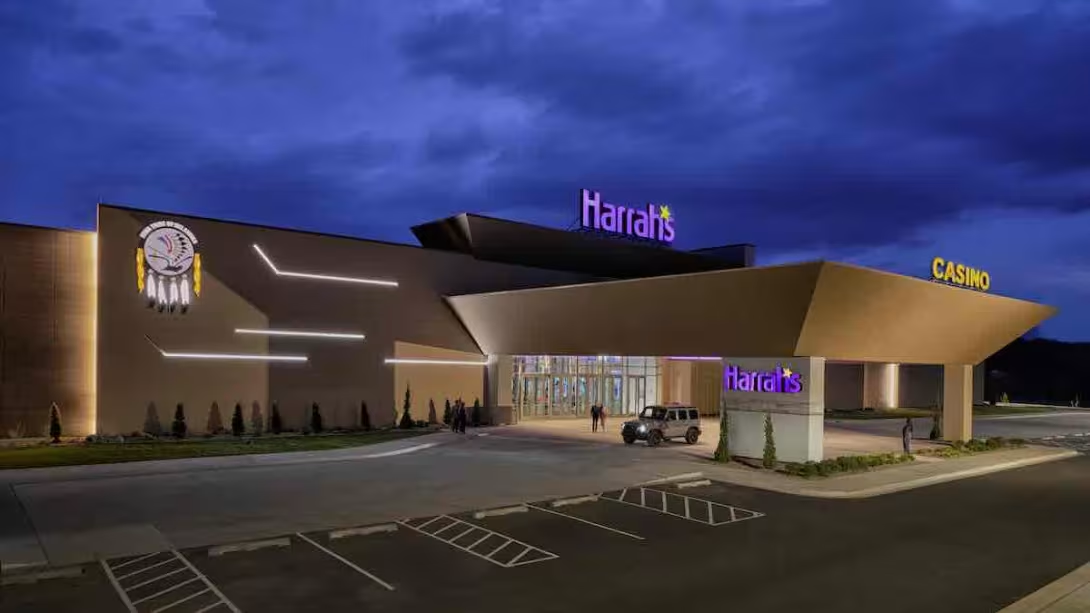
Caesars Entertainment has inaugurated its first managed casino property in Oklahoma, partnering with the Iowa Tribe of Oklahoma to launch Harrah’s Oklahoma. The opening represents a significant milestone in the company’s expansion strategy, blending tribal collaboration with commercial gaming expertise. Featuring a 45,000-square-foot gaming floor, over 1,000 slot machines, and multiple entertainment offerings, the property is positioned as a key tourism and economic driver. The venture underscores the growing importance of tribal partnerships in the U.S. gaming landscape, while reinforcing Oklahoma’s emergence as a competitive regional gaming hub.
A Landmark Entry into Oklahoma’s Gaming Market
In a strategic move to expand its operational footprint, Caesars Entertainment has officially entered the Oklahoma gaming market through the launch of Harrah’s Oklahoma. The property, located in Chandler, marks the company’s first managed casino in the state, signaling a broader push into regionally significant but previously untapped markets.
The opening ceremony featured a blend of corporate and cultural symbolism, including a ribbon-cutting event and ceremonial first bets, reflecting both the commercial ambitions and community roots of the project.
Tribal Partnership as a Growth Catalyst
Central to this development is the collaboration with the Iowa Tribe of Oklahoma, highlighting the critical role of tribal partnerships in the U.S. gaming industry. Such alliances enable operators to navigate regulatory frameworks while ensuring that economic benefits are shared with indigenous communities.
This partnership model has become increasingly prominent, offering a mutually beneficial structure: tribal entities gain access to operational expertise and brand equity, while corporate operators secure entry into regulated markets with established legal pathways.
The Harrah’s Oklahoma project exemplifies this synergy, combining Caesars’ global experience with the tribe’s local stewardship.
Infrastructure and Gaming Capabilities
The newly launched property features a 45,000-square-foot gaming floor designed to deliver a comprehensive entertainment experience. The facility includes 12 table games, more than 1,000 slot machines, and a dedicated high-limit gaming area catering to premium customers.
Beyond gaming, the venue incorporates a diverse mix of bars and restaurants, positioning itself as an integrated entertainment destination rather than a standalone casino. This approach aligns with broader industry trends, where non-gaming amenities play a crucial role in driving footfall and enhancing customer engagement.
Economic and Tourism Implications
The launch of Harrah’s Oklahoma is expected to generate significant economic activity in the region. Casino developments typically contribute to local economies through job creation, increased tourism, and ancillary business growth.
By establishing a high-quality entertainment destination, the project is likely to attract visitors from across the state and neighboring regions, boosting hospitality and retail sectors. The involvement of a globally recognized operator further enhances the property’s appeal, potentially positioning it as a flagship venue within Oklahoma’s gaming landscape.
Brand Expansion and Competitive Positioning
For Caesars Entertainment, this development represents more than just a new property—it is a strategic extension of its brand into a high-potential market. Oklahoma has one of the largest concentrations of tribal casinos in the United States, making it a competitive yet lucrative environment.
By leveraging the Harrah’s brand, the company aims to differentiate itself through premium offerings, operational excellence, and customer loyalty programs. This entry could pave the way for further investments and partnerships within the region.
Industry Context: The Rise of Regional Gaming Hubs
The opening of Harrah’s Oklahoma reflects a broader shift in the U.S. gaming industry, where growth is increasingly driven by regional markets rather than traditional hubs. Advances in infrastructure, regulatory clarity, and consumer demand have enabled states like Oklahoma to emerge as significant players.
This decentralization of gaming activity is reshaping competitive dynamics, encouraging operators to diversify geographically and tailor offerings to local preferences.
Conclusion: A Strategic Milestone with Long-Term Potential
The launch of Harrah’s Oklahoma marks a pivotal moment for both Caesars Entertainment and the Iowa Tribe of Oklahoma. By combining corporate expertise with tribal partnership, the project sets a precedent for future developments in the sector.
As the property begins operations, its success will likely depend on its ability to deliver a differentiated, high-quality experience while contributing meaningfully to the local economy. In a rapidly evolving gaming landscape, such ventures exemplify how strategic collaboration can unlock new avenues for growth and innovation.
Comments