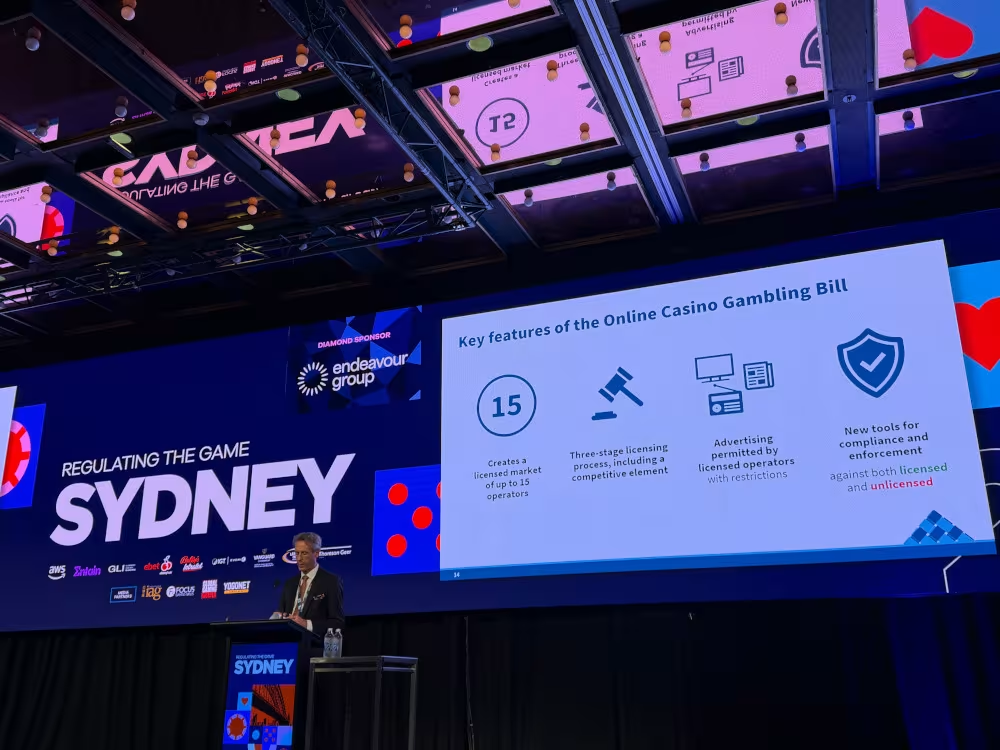
New Zealand is preparing to introduce strict restrictions on advertising and promotional activities related to online casinos as part of its proposed regulatory framework for digital gambling. Authorities plan to prohibit affiliate marketing arrangements and influencer endorsements that promote online casino platforms, aiming to limit aggressive marketing practices that could encourage excessive gambling.
The move forms part of a broader legislative effort to regulate a market that already exists but currently operates largely outside domestic oversight. By tightening promotional rules while introducing a licensing regime, policymakers hope to strengthen consumer protection, reduce gambling-related harm, and create a more transparent and accountable online gaming environment.
A New Regulatory Direction for Online Gambling
New Zealand is moving toward a more tightly controlled digital gambling framework, with policymakers proposing stringent restrictions on how online casinos can promote their services. Among the most notable measures is a planned ban on affiliate marketing partnerships and influencer-based promotions tied to online gambling platforms.
The proposal forms part of a broader legislative effort designed to regulate online casino activity within the country. Authorities argue that a modern regulatory structure is necessary to address the realities of a rapidly expanding digital gambling market that has largely operated beyond domestic supervision.
By introducing stronger advertising restrictions alongside a licensing system, the government aims to strike a balance between oversight and consumer protection.
Ending Affiliate Marketing in Online Casino Promotion
Affiliate marketing has long been a central feature of the global online gambling industry. Under this model, third-party websites, digital platforms, or marketing agencies promote gambling services and receive commissions for directing users to casino operators.
New Zealand’s proposed rules seek to eliminate such arrangements within its regulated online casino framework. Policymakers believe affiliate networks can create powerful incentives for aggressive marketing tactics that prioritize player acquisition over responsible gambling practices.
By banning affiliate partnerships, regulators hope to limit the commercial pressure placed on operators to aggressively pursue new customers.
Influencer Endorsements Under Scrutiny
Another key element of the proposal is a ban on influencer endorsements for online casinos. Influencer marketing has become a highly effective promotional tool across industries, leveraging the reach and credibility of social media personalities to promote products and services.
However, regulators are increasingly concerned about the potential impact of such promotions in the gambling sector. Influencers often appeal strongly to younger audiences, raising concerns about exposure to gambling-related content among vulnerable demographics.
The proposed prohibition reflects a broader policy objective of preventing marketing practices that may normalize or glamorize gambling behavior.
Consumer Protection as the Central Objective
The planned advertising restrictions are part of a wider strategy aimed at strengthening consumer safeguards in the online gambling environment.
Regulators argue that aggressive marketing campaigns can increase the risk of problem gambling by encouraging excessive participation or by presenting gambling as a risk-free form of entertainment.
A stricter promotional framework would allow authorities to monitor operator behavior more effectively while ensuring that advertising practices remain responsible and transparent.
In addition, a regulated market would provide clearer accountability mechanisms for operators serving New Zealand players.
Transition From Grey Market to Regulated Industry
For years, online casino activity involving New Zealand residents has largely taken place through offshore operators. While domestic legislation has historically limited the ability of companies within the country to provide online casino services, international platforms have continued to attract local players through digital channels.
This environment has created a “grey market” where gambling occurs without direct regulatory oversight from national authorities.
The proposed reforms aim to replace that system with a formal licensing regime that would bring operators under the supervision of government regulators.
Economic and Industry Implications
While the primary focus of the proposed legislation is consumer protection, the regulatory shift may also carry economic implications.
A licensed market could generate government revenue through regulatory fees and taxation while establishing clearer operational standards for gambling companies.
However, the ban on affiliate marketing and influencer promotions may reshape the industry’s marketing strategies. Operators may need to rely more heavily on brand-based advertising, partnerships with regulated media platforms, and responsible gaming messaging.
Such changes could alter the competitive landscape for online gambling providers entering the New Zealand market.
Global Trend Toward Tighter Gambling Advertising Rules
New Zealand’s proposed restrictions reflect a growing international trend toward tighter controls on gambling advertising.
Several countries have recently introduced or strengthened regulations governing promotional activities in the gambling sector. These measures often target digital marketing techniques such as affiliate networks, celebrity endorsements, and social media promotions.
The objective in many cases is to reduce exposure to gambling-related advertising while ensuring that operators adhere to responsible marketing standards.
New Zealand’s approach aligns with this global shift toward stricter regulatory oversight.
Balancing Regulation and Market Reality
One of the central challenges facing policymakers is balancing effective regulation with the realities of digital markets. Online gambling platforms operate across international borders, making enforcement difficult without comprehensive licensing systems.
By combining a regulated market with strong advertising restrictions, authorities hope to encourage players to migrate toward licensed operators that follow national rules.
Such a strategy could help reduce the influence of unregulated platforms while improving consumer safety.
Conclusion
New Zealand’s proposed ban on affiliate marketing and influencer promotions marks a significant step in the country’s effort to modernize its online gambling regulations. By restricting aggressive promotional tactics and introducing a licensed market structure, policymakers aim to reduce gambling-related harm while improving transparency and oversight.
As digital gambling continues to evolve globally, regulatory frameworks like this may become increasingly common. For New Zealand, the challenge will be ensuring that the new system effectively protects consumers while adapting to the complexities of the digital gaming economy.
Comments