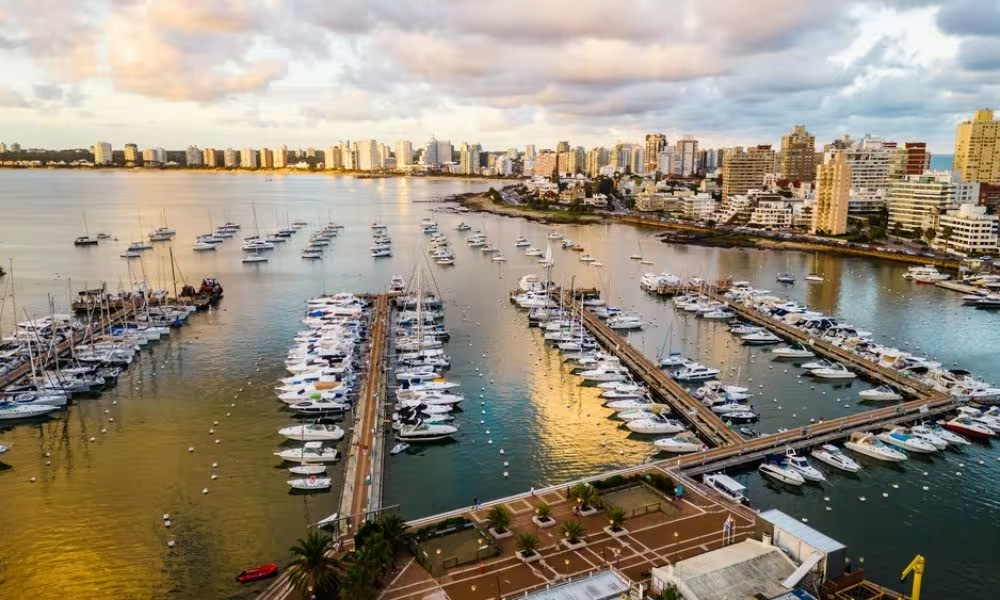
Uruguay is preparing to deepen its appeal as a high-end tourism and entertainment destination with plans for a new casino at one of its most prestigious oceanfront locations. The proposed development underscores the country’s strategy to attract long-term investment, diversify tourism revenue, and strengthen its regulated gaming industry. Designed as an integrated leisure project, the casino is expected to combine gaming, hospitality, and lifestyle amenities. Officials view the initiative as a catalyst for employment, infrastructure development, and fiscal growth, while reinforcing Uruguay’s reputation as a stable, investor-friendly market in Latin America.
A Strategic Expansion of the Gaming Sector
The planned casino marks a calculated expansion of Uruguay’s gaming landscape, which has historically balanced strict regulation with openness to private capital. Authorities see the project as an opportunity to modernize tourism offerings while maintaining firm oversight of licensing and compliance.
By anchoring the development in a premier coastal destination, policymakers aim to enhance the country’s competitive position in regional leisure and entertainment markets.
Why the Oceanfront Location Matters
Uruguay’s leading oceanfront destinations attract affluent domestic and international visitors, particularly during peak holiday seasons. Industry analysts note that situating a casino in such a location maximizes footfall, extends visitor stays, and boosts spending across hotels, restaurants, and retail.
The project is expected to complement existing tourism infrastructure rather than compete with it, creating a more comprehensive, year-round destination experience.
Economic Impact and Revenue Potential
Beyond its entertainment appeal, the casino is projected to deliver measurable economic gains. Construction alone is likely to generate hundreds of jobs, while ongoing operations could support long-term employment across gaming, hospitality, and support services.
From a fiscal standpoint, regulated gaming typically contributes significant revenue through licensing fees, gaming taxes, and indirect economic activity, strengthening public finances without raising traditional taxes.
Regulation, Oversight, and Responsible Gaming
Uruguayan regulators have emphasized that any new casino development will be subject to rigorous evaluation. Financial transparency, operator credibility, and responsible gaming frameworks are expected to be central criteria in the approval process.
This approach reflects Uruguay’s broader philosophy of promoting growth while safeguarding social and economic stability.
Signals for Investors and the Region
The planned oceanfront casino sends a clear signal to global investors: Uruguay remains committed to structured, high-quality development. In a region where regulatory uncertainty often deters capital, the country’s measured approach stands out.
If executed as planned, the project could redefine Uruguay’s premium tourism offering and reinforce its status as a benchmark for sustainable gaming-led development in Latin America.
Comments