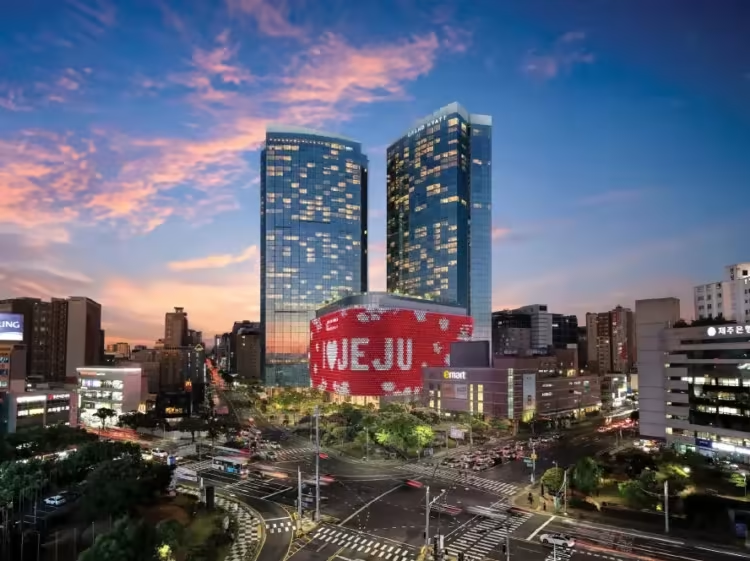
In a rare setback for South Korea’s thriving gaming and tourism sector, Jeju Dream Tower reported a noticeable month-on-month decline in both casino revenue and visitor traffic for October 2025. The integrated resort, operated by Lotte Tour Development, experienced weaker-than-expected performance following several months of steady growth. While the company attributes the slowdown to seasonal fluctuations and a dip in foreign tourist arrivals, analysts suggest broader macroeconomic headwinds and tightening travel patterns may have contributed. Despite the temporary decline, Jeju Dream Tower remains one of South Korea’s leading luxury casino destinations, underscoring its strategic importance within the island’s tourism ecosystem.
---
Jeju Dream Tower’s October Performance
Jeju Dream Tower Casino, located in the heart of Jeju Island, recorded a month-on-month decrease in gaming revenue in October 2025—marking one of its few declines since reopening post-pandemic. Industry data shows the casino generated roughly US$14.7 million (approximately Rs. 122 crore) in gaming revenue, representing a 12–15% drop compared to September’s strong showing.
Visitor numbers mirrored this trend, falling by around 10% month-on-month, largely due to reduced inflows from China and Japan—two of Jeju’s primary tourist markets. The company also reported lower activity in both mass gaming and VIP segments, reflecting a softening demand environment across the region.
---
Factors Behind the Decline
1. Seasonal Tourism Slowdown
October traditionally marks the beginning of South Korea’s tourism off-season. Cooler weather and fewer domestic travel incentives tend to moderate visitor activity, especially on Jeju Island, where casino foot traffic often depends on leisure tourism.
2. Foreign Travel Trends
While South Korea continues to attract international travelers, inbound tourism from China—historically a major revenue driver—remains below pre-pandemic levels. Recent visa processing delays and geopolitical uncertainties have added to the strain, reducing high-spending visitor flows into Jeju’s entertainment sector.
3. Economic and Market Dynamics
Global inflationary pressures and fluctuating exchange rates have affected discretionary spending among tourists. Additionally, tighter liquidity and regulatory scrutiny in regional gaming hubs, including Macau and the Philippines, have shifted certain player segments away from cross-border casino visits.
---
Company’s Response and Outlook
Lotte Tour Development, the operator of Jeju Dream Tower, emphasized that the October dip represents a short-term correction rather than a long-term downturn. In a company statement, management reaffirmed its commitment to diversifying non-gaming revenue streams, such as luxury hospitality, retail, and entertainment, to balance casino volatility.
The resort recently introduced several marketing initiatives targeting Southeast Asian travelers and premium Korean clientele, along with expanded digital promotions to strengthen engagement. Company executives remain optimistic about a rebound in November and December, citing upcoming holiday travel, tourism campaigns, and improving airline connectivity.
---
Broader Context: Jeju’s Casino Industry Landscape
Jeju Island is home to eight foreigner-only casinos, all competing for a share of South Korea’s lucrative tourism market. The island’s gaming industry has faced mixed fortunes in recent years, balancing between post-pandemic recovery and changing consumer behavior.
Jeju Dream Tower, the island’s tallest building, has consistently outperformed most of its peers since opening, benefiting from its integrated resort model—featuring a 1,600-room Grand Hyatt hotel, upscale retail outlets, and fine-dining options. However, its October figures highlight the inherent volatility of the casino sector, especially in markets reliant on cross-border tourism.
---
Analyst Perspectives
Market observers view Jeju Dream Tower’s performance as a temporary setback within an otherwise upward trajectory. Analysts note that the property’s fundamentals—location, scale, and brand recognition—remain robust. According to projections, the integrated resort could achieve year-end revenues surpassing US$160 million (around Rs. 1,330 crore), provided tourism flows strengthen in the final quarter.
Financial experts also suggest that Jeju’s authorities could consider policy adjustments to attract more foreign visitors, such as simplified visa procedures and enhanced international flight schedules. These efforts could help sustain the island’s competitiveness against regional gaming destinations like Macau and Singapore.
---
Conclusion
Jeju Dream Tower’s rare dip in October underscores the cyclical nature of the casino and tourism industries, where external factors—from seasonal travel patterns to economic sentiment—can influence short-term performance. Yet, the resort’s resilience, strategic diversification, and strong brand identity position it well for recovery in the months ahead.
As South Korea continues to strengthen its appeal as a tourism and entertainment hub, Jeju Dream Tower’s performance will remain a barometer for the broader evolution of the nation’s luxury gaming sector—one that is adapting swiftly to global market realities and shifting traveler expectations.
---
Would you like me to create a shorter press-release version (around 350 words) of this same news piece for business media publication use?
Comments