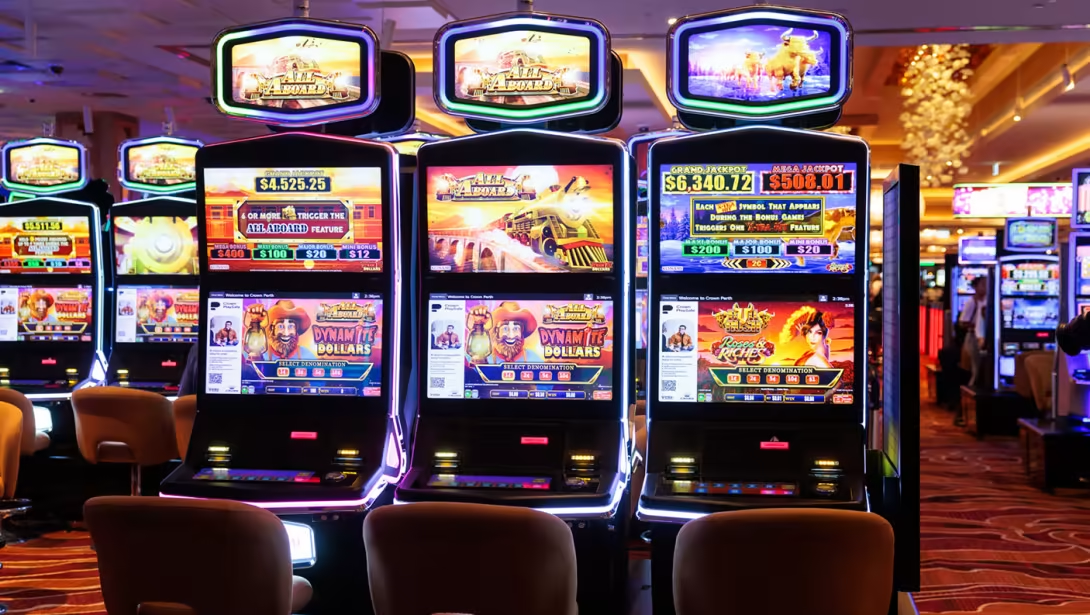
Casinos have long symbolized the intersection of glamour, risk, and opulence—drawing millions of visitors who seek entertainment as much as fortune. From Las Vegas’ neon-lit grandeur to the architectural marvels of Macau and the Riviera’s timeless elegance, the global casino landscape continues to evolve. In 2025, the world’s most popular casinos are more than gaming hubs—they are cultural landmarks blending hospitality, technology, and luxury. Offering world-class dining, entertainment, and exclusive experiences, these destinations represent the pinnacle of modern leisure economics, where tourism, finance, and design converge in a multi-billion-rupee industry that shows no signs of slowing down.
---
A Global Industry Fueled by Luxury and Experience
The casino industry today extends far beyond traditional gambling. It has transformed into a global entertainment empire combining gaming, hospitality, fine dining, and live performances. With billions in annual revenue, these establishments anchor tourism economies and redefine how travelers experience leisure.
In 2025, casinos have become symbols of ambition and innovation—where architecture, technology, and personalized service coalesce to create unforgettable experiences. Cities like Las Vegas, Macau, Monte Carlo, and Singapore dominate the global map, each offering a unique blend of culture, luxury, and adrenaline-fueled excitement.
---
Las Vegas: The Eternal Capital of Entertainment
No discussion about casinos is complete without Las Vegas—the undisputed epicenter of global gaming. The city’s world-renowned Strip, illuminated by dazzling lights and iconic resorts, attracts millions annually.
Casinos such as The Bellagio, Caesars Palace, and The Venetian continue to set benchmarks for luxury and innovation. The Bellagio’s dancing fountains and art collection redefine elegance, while Caesars Palace combines ancient Roman grandeur with modern sophistication. Meanwhile, The Venetian offers an immersive experience that mirrors Venice’s canals and architectural majesty.
Las Vegas has evolved into more than a gambler’s paradise—it’s a playground for high-net-worth individuals, global entertainers, and luxury enthusiasts.
---
Macau: The Modern Powerhouse of Global Gaming
Often dubbed the “Monte Carlo of the East,” Macau has eclipsed Las Vegas in gaming revenue, becoming the world’s richest casino destination. The city’s skyline—dominated by landmarks like The Venetian Macau, City of Dreams, and Wynn Palace—is a testament to Asia’s growing dominance in luxury tourism.
Macau’s casinos cater to a diverse clientele, from casual tourists to elite high-rollers. The Venetian Macau, one of the largest casino resorts globally, spans over 10 million square feet, featuring thousands of slot machines, luxury suites, and an indoor recreation of Venice’s waterways.
Beyond gaming, Macau’s appeal lies in its blend of Portuguese heritage and modern Asian sophistication—a fusion that continues to captivate international travelers.
---
Monte Carlo: Elegance Rooted in History
For over a century, Monte Carlo Casino in Monaco has epitomized European elegance and exclusivity. Nestled along the French Riviera, it remains a sanctuary for the world’s elite, blending Belle Époque architecture with a timeless atmosphere of prestige.
The casino’s legacy is deeply intertwined with cinematic and royal history, often associated with James Bond films and the glamour of Monaco’s aristocracy. Visitors come not just to gamble, but to experience an institution that symbolizes luxury at its purest—where chandeliers, marble halls, and haute couture replace flashing slot machines.
Monte Carlo remains proof that true sophistication never goes out of style.
---
Singapore: A New Era of Integrated Resorts
Singapore’s rise as a global casino hub is a case study in strategic tourism development. With world-class properties such as Marina Bay Sands and Resorts World Sentosa, the city-state has positioned itself as an elite destination for both leisure and business travelers.
Marina Bay Sands, with its iconic rooftop infinity pool and futuristic architecture, has become a global landmark. The resort seamlessly integrates gaming, fine dining, luxury retail, and entertainment—redefining what a casino can be in the modern world.
Singapore’s strict regulations and emphasis on responsible gaming have also established it as a model for sustainable casino management in Asia.
---
The Economic Engine of Entertainment
Globally, casinos contribute billions to tourism and employment, stimulating secondary industries such as real estate, hospitality, and event management. The integrated resort model—combining gaming with concerts, exhibitions, and family entertainment—has proven particularly lucrative.
Analysts estimate that the casino industry will surpass Rs. 65 trillion globally by 2025, driven by technological advancements, digital gaming platforms, and emerging markets in Asia and the Middle East.
Casinos are no longer mere venues for chance—they are financial ecosystems, creating ripple effects that extend far beyond the roulette wheel.
---
Beyond the Tables: The Future of Global Gaming
As technology reshapes leisure habits, casinos are evolving into hybrid spaces that blend physical and digital experiences. Virtual reality, AI-driven personalization, and cryptocurrency integration are transforming the player experience.
The future of casinos lies in creating immersive, ethical, and innovative spaces that balance thrill with sophistication. From the timeless elegance of Monte Carlo to the futuristic brilliance of Marina Bay Sands, the global casino industry continues to reinvent itself—proving that in the world of luxury and luck, the house doesn’t just win; it evolves.
Comments