Casino games represent a dynamic intersection of entertainment, probability, and financial strategy, attracting millions of players worldwide. From classic table games like blackjack and roulette to modern slot machines, each game operates on defined mathematical principles and structured rules. While casinos are designed to maintain a long-term statistical advantage, informed players can improve their experience through disciplined strategies and understanding of odds. This article explores the fundamentals of casino gaming, key rules governing popular games, and the role of probability in shaping outcomes, offering readers a comprehensive perspective on both the entertainment and financial mechanics of the casino industry.
Introduction: The Economics of Casino Gaming
Casino gaming is not merely a form of leisure; it is a highly structured industry rooted in mathematics, psychology, and risk management. Globally, casinos generate billions in annual revenue, driven by a diverse portfolio of games designed to balance player engagement with profitability.
Each game, whether skill-based or purely chance-driven, operates under a defined set of rules that ensures transparency while preserving the “house edge.” Understanding these rules is essential for both casual players and serious participants seeking to manage risk effectively.
Popular Casino Games and Their Core Rules
1. Blackjack: Strategy Meets Probability
Blackjack is one of the few casino games where skill can influence outcomes. The objective is simple: achieve a hand value closer to 21 than the dealer without exceeding it. Players must decide when to hit, stand, double down, or split pairs.
The game’s appeal lies in its relatively low house edge, especially when players apply basic strategy charts derived from probability theory.
2. Roulette: A Game of Pure Chance
Roulette is entirely based on chance, with players betting on where a ball will land on a spinning wheel. Options include betting on specific numbers, colors, or ranges.
While the rules are straightforward, the house edge varies depending on the version—European roulette offers better odds than its American counterpart due to fewer zero pockets.
3. Slot Machines: Simplicity and Scale
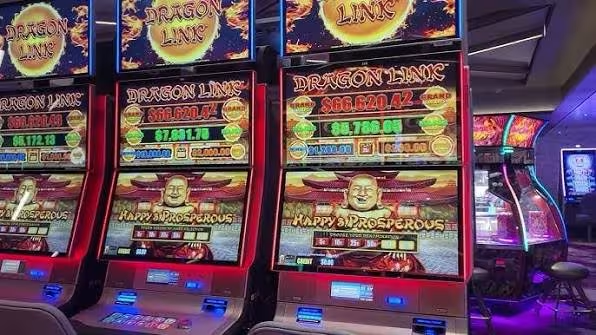
Slot machines are among the most popular casino games due to their simplicity. Players spin reels and aim to match symbols across paylines.
Modern slots operate using Random Number Generators (RNGs), ensuring each spin is independent. Despite their ease of play, slots typically carry a higher house edge compared to table games.
The Concept of House Edge
At the core of every casino game lies the concept of the house edge—a mathematical advantage that ensures casinos remain profitable over time. For instance, blackjack may have a house edge as low as 0.5% with optimal play, while slot machines can range significantly higher.
This built-in advantage does not guarantee short-term outcomes but ensures long-term profitability for operators. Players who understand this principle are better equipped to manage expectations and avoid unrealistic assumptions about winning.
Casino Cheat Sheets: A Practical Tool
Casino cheat sheets, particularly for games like blackjack, provide players with quick reference guides for optimal decisions based on their hand and the dealer’s visible card.
While they do not eliminate the house edge, these tools can significantly reduce it by guiding players toward statistically sound choices. Importantly, such aids are typically permitted in many casinos, as they rely on publicly available information rather than unfair advantages.
Strategic Insights for Players
1. Bankroll Management
Effective bankroll management is essential. Players should set limits and avoid chasing losses, treating casino gaming as entertainment rather than investment.
2. Game Selection
Choosing games with lower house edges, such as blackjack or certain poker variants, can improve overall outcomes compared to high-edge games like slots.
3. Discipline Over Emotion
Emotional decision-making often leads to losses. Successful players rely on consistency, discipline, and adherence to strategy.
Conclusion: Balancing Entertainment and Strategy
Casino games offer a unique blend of excitement and mathematical structure. While the industry is designed to favor the house, informed players can enhance their experience through knowledge of rules, probabilities, and disciplined strategies. Ultimately, casino gaming should be approached as a form of entertainment with calculated risk, where understanding the mechanics of the games can lead to more informed and enjoyable participation.
Comments