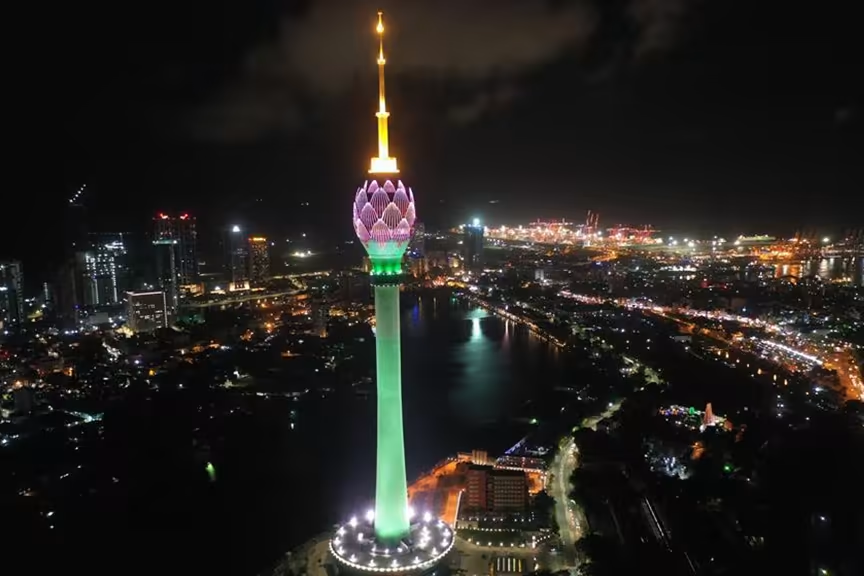
Sri Lanka is intensifying efforts to boost its economy by positioning tourism as a cornerstone of national growth, with ambitions to generate 10% of gross domestic product from the sector in the coming years. A central element of this strategy involves expanding the casino and integrated resort industry, aimed at attracting high-spending international travelers. With its strategic location in the Indian Ocean, coupled with untapped potential in luxury tourism, Sri Lanka is betting that regulated gaming operations can serve as a catalyst for economic revival, foreign investment, and job creation.
---
Tourism as an Economic Pillar
Tourism has long been recognized as a vital engine for Sri Lanka’s economy, though its full potential remains underdeveloped. The government now seeks to elevate tourism from a supplementary industry to a primary contributor, targeting a 10% share of GDP. This aligns with broader economic reforms aimed at reducing reliance on traditional sectors such as agriculture and apparel exports. By diversifying income streams, policymakers hope to create a more resilient economic structure capable of withstanding external shocks.
---
Casino Industry at the Forefront
Casinos are expected to play a pivotal role in this vision. Industry stakeholders argue that gaming facilities, when combined with integrated resorts, can significantly increase foreign tourist arrivals and spending. Unlike traditional tourism segments, casinos often draw affluent international visitors who extend their stays, spend heavily on luxury services, and contribute substantially to the hospitality and entertainment ecosystem. If properly regulated, the sector could deliver a dual benefit: driving fiscal revenues through taxation while stimulating private investment in large-scale infrastructure projects.
---
Regional Competitive Edge
Sri Lanka’s strategy also reflects an understanding of competitive dynamics within Asia’s tourism market. Nearby destinations such as Singapore and the Philippines have successfully leveraged integrated resorts to attract global gaming clientele. By developing its own niche in the casino industry, Sri Lanka aims to position itself as South Asia’s premier gaming and leisure destination. Proximity to India, with its rising middle class and growing appetite for international travel, provides a natural market advantage that few other gaming hubs in the region can match.
---
Challenges and Policy Considerations
While the economic promise of casinos is substantial, the path forward requires careful policy calibration. Public concerns around social impacts, regulatory oversight, and responsible gaming must be addressed to ensure sustainable development. Moreover, investors will seek clarity on tax structures, licensing frameworks, and legal stability before committing capital to long-term projects. For Sri Lanka, striking the balance between economic gain and social responsibility will be essential in securing both domestic acceptance and international investor confidence.
---
Broader Economic Impact
Beyond gaming revenues, the casino-driven tourism strategy could generate ripple effects across the economy. Employment opportunities in construction, hospitality, retail, and transport are expected to expand significantly. Rising tourist inflows would also create demand for local products, from food and beverages to cultural experiences, thereby linking the industry to broader economic activity. If the 10% GDP target is achieved, tourism could emerge as a stabilizing force for an economy that has faced repeated cycles of financial strain.
---
Conclusion
Sri Lanka’s decision to spotlight casinos within its tourism framework underscores the government’s ambition to recalibrate its economic model. By tapping into high-value tourism and global gaming trends, the country seeks to transform itself into a leading leisure hub in South Asia. The success of this initiative, however, will depend on prudent regulation, transparent governance, and the ability to manage social concerns. If executed effectively, the strategy could mark a turning point—elevating tourism from a supporting industry into a central pillar of national prosperity.
Comments