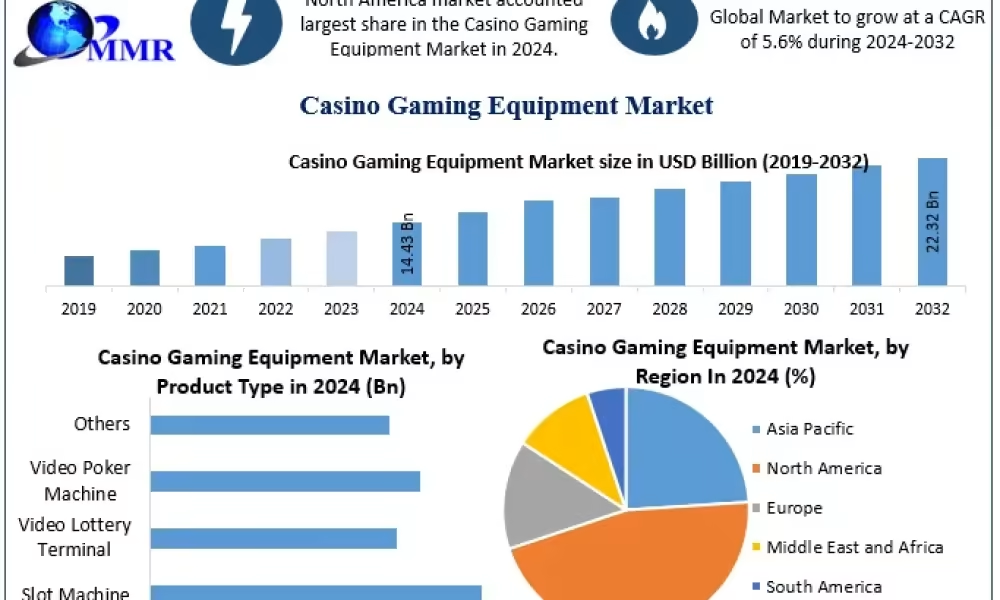
The global casino gaming equipment market is on a robust growth trajectory, projected to reach USD 22.32 billion by 2032, expanding at a compound annual growth rate (CAGR) of 5.6%. This surge is being propelled by technological advancements, the rise of cashless gaming systems, and the increasing popularity of online and hybrid casino formats. As regulatory environments evolve and casinos worldwide embrace modernization, the demand for advanced gaming solutions — including electronic tables, smart slot machines, and digital management systems — is reshaping the industry’s financial landscape and redefining player engagement across global markets.
1. Market Overview: A Rapidly Expanding Global Sector
The casino gaming equipment market has experienced a substantial transformation over the past decade. Once dominated by traditional slot machines and manual tables, the sector now thrives on innovation, automation, and interactive entertainment systems.
According to market projections, the industry will climb from its current valuation to USD 22.32 billion by 2032, driven primarily by the integration of digital technology and the expansion of legalized gaming across emerging economies. The convergence of land-based and online gaming experiences is also creating hybrid business models, enabling operators to attract a more diverse and tech-savvy audience.
2. Technological Innovations Powering Market Growth
Innovation remains the core catalyst behind this market’s steady ascent. The incorporation of artificial intelligence (AI), augmented reality (AR), and data analytics into gaming systems has elevated user experience and operational efficiency alike.
Smart slot machines now feature dynamic algorithms that personalize gameplay based on user behavior, while biometric verification systems ensure tighter security and responsible gambling practices. The adoption of cashless payment systems and blockchain-based gaming solutions further underscores the industry’s digital transformation, allowing players to transact securely and operators to streamline accounting processes.
Moreover, manufacturers are developing modular and adaptive gaming equipment to meet the rising demand from casino resorts and integrated entertainment complexes seeking futuristic, high-engagement offerings.
3. The Rise of Cashless and Contactless Gaming
The shift toward cashless operations has accelerated in the post-pandemic era, revolutionizing both customer experience and casino operations. Players increasingly prefer contactless payment methods, digital wallets, and crypto-based systems that provide instant and secure transactions.
Casinos adopting smart tables and electronic gaming terminals equipped with near-field communication (NFC) and QR-based payment technologies are reporting higher retention rates and operational efficiency. This trend is expected to remain a dominant growth driver through 2032, as global gaming hubs modernize to attract younger demographics accustomed to digital transactions.
4. Market Segmentation: Slot Machines Continue to Lead
Slot machines remain the dominant product category within the casino gaming equipment sector, accounting for a significant portion of total revenue. Their continued evolution — from mechanical reels to digital, interactive interfaces — has solidified their status as both entertainment and revenue pillars.
Meanwhile, electronic table games (ETGs), roulette terminals, and card shufflers are gaining traction due to their lower operational costs and reduced dependency on human dealers. The rising demand for automated gaming solutions has also fueled growth in networked management systems that track real-time player data, betting patterns, and profitability metrics for casino operators.
5. Regional Insights: North America and Asia-Pacific Lead the Charge
North America remains a major market for casino gaming equipment, supported by established gaming centers such as Las Vegas and Atlantic City. The region’s strong regulatory frameworks, combined with consistent innovation from manufacturers, continue to sustain steady growth.
However, the Asia-Pacific region is rapidly emerging as the global growth engine. Countries like Macau, Singapore, and the Philippines have witnessed a surge in casino infrastructure development, with new integrated resorts investing heavily in advanced gaming technologies.
Additionally, the legalization of casino operations in parts of Japan and India could further amplify the region’s growth momentum, offering lucrative opportunities for equipment suppliers and technology developers.
6. Key Growth Drivers and Opportunities
Several factors are contributing to the market’s sustained expansion:
- Digital Integration: The convergence of physical and online gaming is fostering hybrid casino ecosystems.
- Rising Tourism: The global revival of travel and leisure industries is boosting footfall in casino resorts.
- Data-Driven Decision-Making: Operators are increasingly leveraging analytics to optimize player experience and resource allocation.
- Regulatory Support: Gradual liberalization of gaming laws in emerging economies is expanding legal casino operations.
- Sustainability Initiatives: The push toward energy-efficient, eco-friendly gaming equipment is aligning with global ESG trends.
Together, these elements are creating fertile ground for new investments and strategic collaborations among casino operators and equipment manufacturers.
7. Challenges and Market Constraints
Despite its promising outlook, the casino gaming equipment market faces notable challenges. Stringent government regulations, licensing restrictions, and high initial investment costs continue to limit market entry for smaller operators.
Additionally, cybersecurity risks associated with cashless systems and economic volatility in certain regions may impact capital expenditure on gaming infrastructure. Nevertheless, with technological safeguards and industry standardization, these hurdles are increasingly being mitigated through innovation and stronger compliance measures.
8. Competitive Landscape: Innovation as a Differentiator
Competition within the market remains intense, with global manufacturers focusing on technological differentiation and design innovation to retain market share. Companies are investing in AI-powered gaming analytics, 3D slot displays, and interactive multiplayer systems to attract next-generation players.
Strategic mergers, acquisitions, and partnerships are also shaping the industry’s future, allowing key players to expand geographically and diversify product portfolios. Firms that prioritize R&D, energy efficiency, and user engagement are likely to command a larger share of the growing global market.
Future Outlook: Toward a Digital-First Gaming Ecosystem
By 2032, the casino gaming equipment market is expected to operate in a fully digital-first environment, blending immersive entertainment with real-time financial transactions.
As consumer behavior shifts toward personalized, data-rich experiences, the role of AI and predictive
Comments