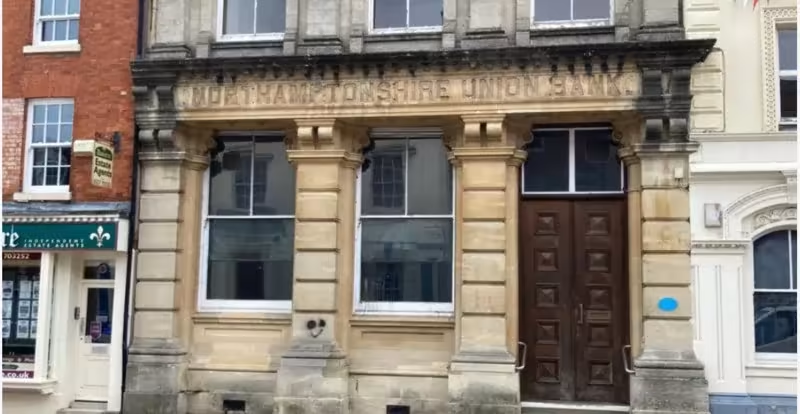
A former bank building is set to undergo a major transformation after receiving regulatory approval to be converted into a casino. The decision, which marks a significant shift in the property’s use, is expected to stimulate local economic activity, generate employment, and attract tourism. Supporters highlight the potential for increased tax revenues and urban revitalization, while critics remain cautious about the social implications of expanded gambling access. For the developers, the approval represents both a business opportunity and a test of balancing commercial ambitions with regulatory compliance and community concerns in an industry known for its economic weight and controversy.
From Finance to Entertainment
The conversion of a bank property into a casino illustrates how urban spaces are being reimagined to align with changing economic priorities. Where the building once symbolized financial services, it will soon serve as a center for leisure and gaming. Developers argue that repurposing the structure creates a sustainable use of existing infrastructure while minimizing new construction costs.
Economic Promise and Job Creation
Proponents emphasize that the casino is expected to bring substantial economic benefits. The project could create hundreds of jobs, both directly in gaming operations and indirectly in hospitality, security, and maintenance. Increased foot traffic is also likely to support surrounding businesses such as restaurants, hotels, and retail outlets. Local governments, in turn, anticipate a boost in tax collections, strengthening public revenues.
Regulatory Oversight and Compliance
The approval was granted after careful evaluation by regulatory authorities, who examined the operator’s financial stability, security protocols, and compliance track record. Stringent licensing requirements are designed to ensure responsible gambling practices and minimize risks associated with money laundering and organized crime. The operator will be obligated to maintain transparency, adhere to reporting standards, and provide mechanisms for customer protection.
Social Concerns and Community Impact
Despite the optimism, concerns persist regarding the potential social costs of expanded gambling access. Advocacy groups warn of the risks of problem gambling, rising indebtedness, and the possibility of increased crime rates. Regulators and developers have pledged to implement safeguards, including awareness campaigns and support programs, to mitigate adverse outcomes.
A Broader Industry Trend
The decision reflects a wider trend of growth in the global casino industry, where non-traditional locations are being leveraged for gaming operations. As urban centers look for ways to diversify local economies, repurposing historic or underutilized buildings into entertainment hubs is gaining traction. The success of this project may encourage similar initiatives elsewhere, blending heritage properties with modern leisure ventures.
Comments