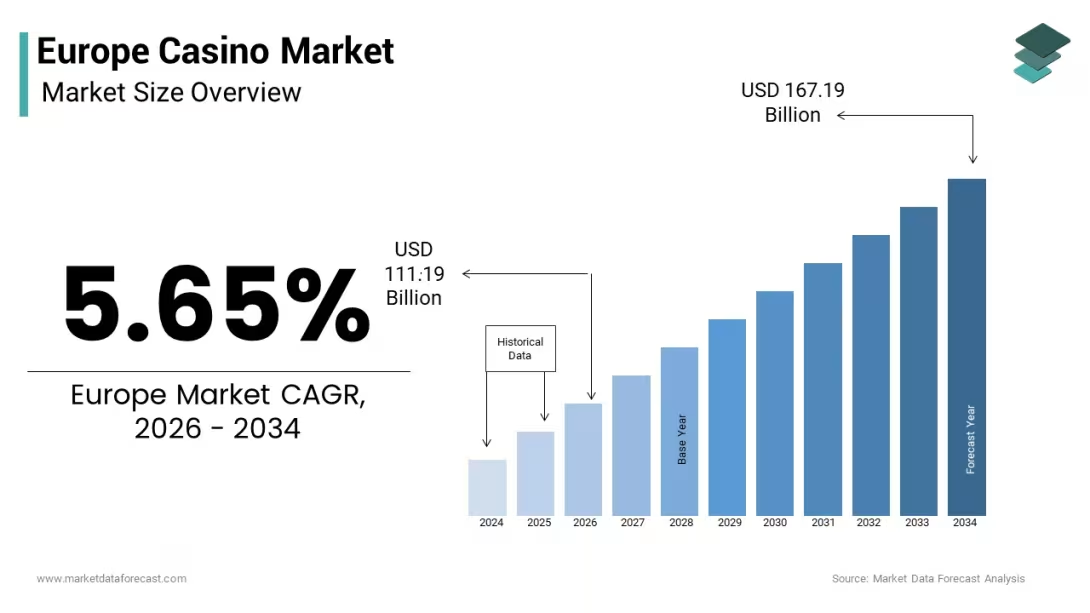
Europe’s casino market is entering a transformative growth cycle, underpinned by rising tourism, regulatory modernization and the accelerated adoption of digital gaming platforms. Industry projections indicate sustained expansion between 2026 and 2034, driven by a resurgence in destination-based entertainment and the steady integration of online and hybrid casino models. Key markets including the U.K., France and Germany continue to anchor revenue performance, while emerging jurisdictions in Eastern and Central Europe are gaining momentum. As operators recalibrate capital allocation and embrace technological innovation, the sector is evolving from a traditional gaming industry into a diversified, experience-driven entertainment ecosystem.
Market Overview and Growth Outlook
The European casino sector stands as one of the most mature gaming markets globally, characterized by a blend of historic brick-and-mortar establishments and rapidly expanding digital platforms. Between 2026 and 2034, analysts anticipate consistent year-on-year growth, supported by macroeconomic stabilization, cross-border tourism and favorable regulatory reforms in select jurisdictions.
Revenue generation across Europe is diversified between land-based casinos and online gaming platforms. While physical properties continue to generate substantial gross gaming revenue, online casinos are expanding at a faster compound annual growth rate, reflecting shifting consumer preferences and mobile penetration.
Industry stakeholders note that the pandemic-era digital acceleration permanently altered consumer behavior. As a result, hybrid models—where established operators integrate online and physical gaming ecosystems—are expected to dominate strategic planning over the forecast period.
Segmentation by Type
Land-Based Casinos
Traditional casinos remain integral to Europe’s gaming identity. Countries such as the United Kingdom and France maintain long-standing casino cultures tied closely to tourism and hospitality. Major metropolitan hubs and resort destinations continue to attract high-spending domestic and international visitors.
These venues increasingly position themselves as comprehensive entertainment complexes rather than standalone gambling halls. Hospitality services, fine dining, live performances and event hosting now represent critical revenue complements.
Online Casinos
The digital segment represents the fastest-growing component of the European market. Regulatory clarity in markets such as Sweden, Germany and the Netherlands has strengthened investor confidence and accelerated licensing activity.
Mobile-first platforms, live-dealer streaming and AI-driven personalization are reshaping the online gaming landscape. Operators are leveraging data analytics to refine customer acquisition strategies, improve retention rates and optimize lifetime value metrics.
End-User Dynamics
The European casino audience is diversifying. While high-net-worth individuals and seasoned players remain core revenue contributors, younger demographics are entering the market via mobile platforms and esports-integrated gaming formats.
Millennial and Gen Z participants exhibit distinct behavioral patterns, favoring shorter gaming sessions, gamified features and integrated social experiences. This shift compels operators to modernize branding, digital interfaces and responsible gaming frameworks.
Simultaneously, regulatory bodies across Europe are strengthening compliance measures to mitigate gambling-related harm. Enhanced transparency and consumer protection protocols are expected to influence operational costs but reinforce long-term sustainability.
Regional Analysis
Western Europe
Western Europe continues to command the largest market share. The U.K., France and Germany lead in revenue generation, supported by established regulatory infrastructures and high consumer purchasing power. Spain and Italy also contribute significantly, particularly in tourism-driven casino destinations.
Northern Europe
Sweden and Denmark have emerged as digitally progressive gaming markets. Strict licensing regimes have created competitive but regulated environments, encouraging responsible innovation.
Central and Eastern Europe
Markets such as the Czech Republic and select Eastern European jurisdictions are experiencing incremental growth. Improved infrastructure, rising disposable income and cross-border travel are stimulating demand for integrated casino resorts.
Southern and Emerging Regions
Turkey and parts of Southeastern Europe remain complex regulatory environments, but selective opportunities persist through tourism-linked gaming initiatives.
Investment Trends and Competitive Landscape
Capital expenditure across the European casino industry increasingly prioritizes technology upgrades, digital integration and customer analytics. Mergers and acquisitions remain a strategic lever for market consolidation, particularly among online operators seeking scale efficiencies.
Private equity participation has also intensified, reflecting confidence in long-term cash flow stability and the defensive characteristics of gaming revenues during moderate economic fluctuations.
Environmental, social and governance considerations are becoming central to investment decisions. Operators are under pressure to demonstrate responsible gaming commitments, transparent reporting and sustainable operational practices.
Regulatory Evolution
European gambling regulations remain fragmented by country, creating both challenges and opportunities. Harmonization efforts are limited, compelling multinational operators to navigate diverse tax structures, licensing requirements and compliance obligations.
Recent regulatory tightening in Germany and the Netherlands has reinforced player protection measures, including deposit limits and advertising restrictions. While such measures may constrain short-term revenue growth, they enhance industry credibility and reduce reputational risk.
Strategic Outlook to 2034
The European casino market’s trajectory through 2034 will likely hinge on three strategic pillars:
Digital Transformation: Continued expansion of online and mobile platforms.
Experience Diversification: Integration of hospitality, entertainment and lifestyle offerings.
Regulatory Adaptation: Agile compliance strategies in response to evolving national frameworks.
Industry analysts project that operators capable of blending immersive physical experiences with seamless digital ecosystems will capture disproportionate market share over the next decade.
Conclusion
Europe’s casino industry is transitioning from a traditional gaming model into a multifaceted entertainment economy. With strong foundational markets in the U.K., France and Germany and accelerating digital adoption across the continent, the sector is positioned for sustained expansion through 2034.
However, success will depend on disciplined capital allocation, technological agility and proactive regulatory engagement. As competition intensifies and consumer expectations evolve, the industry’s next growth phase will be defined not merely by wagering volume but by innovation, resilience and strategic foresight.
Comments