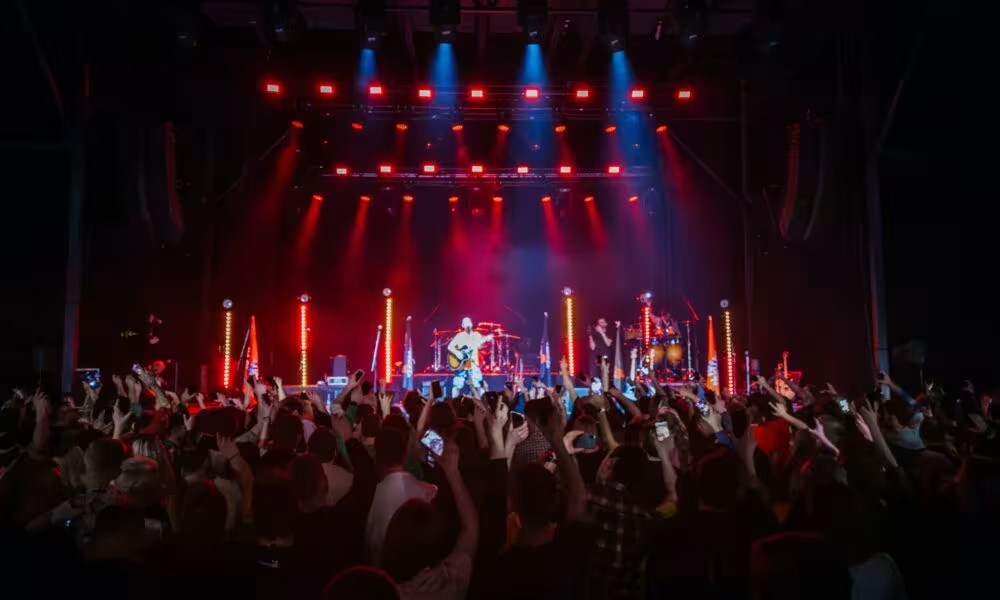
European casinos are undergoing a strategic transformation, shifting away from a sole dependence on gaming revenue toward diversified, experience-driven business models. Insights emerging from ICE Barcelona highlight how operators across the continent are redefining their role within the entertainment economy. Casinos are increasingly positioning themselves as multi-purpose leisure destinations, integrating hospitality, live events, technology-driven experiences, and non-gaming amenities. This evolution reflects changing consumer preferences, tighter regulatory environments, and the need for sustainable revenue streams. As competition intensifies, European casino operators are embracing innovation to remain commercially resilient and culturally relevant in a rapidly evolving market.
A Strategic Shift in the European Casino Model
Discussions at ICE Barcelona underscored a decisive pivot in how European casinos view their future. Once centered almost exclusively on gaming floors, operators are now broadening their scope to include dining, entertainment, wellness, and cultural offerings. This shift is designed to attract a wider demographic while reducing exposure to volatility in gaming revenues.
Diversification as a Growth Imperative
Industry leaders emphasized that diversification is no longer optional. Rising compliance costs, stricter regulations, and changing consumer behavior have pushed casinos to explore alternative income streams. High-end restaurants, live music venues, conference facilities, and branded retail spaces are increasingly seen as critical components of long-term financial stability.
Technology and Experience-Led Innovation
Technology emerged as a central theme at ICE Barcelona. European casinos are investing in digital integration, cashless systems, data analytics, and immersive experiences to enhance customer engagement. Rather than replacing physical venues, technology is being used to enrich on-site visits, personalize services, and improve operational efficiency.
Redefining the Customer Relationship
Modern casino patrons are seeking experiences rather than purely transactional gaming. Operators are responding by designing environments that encourage longer stays and repeat visits. Loyalty programs are evolving into lifestyle memberships, offering access to events, hospitality perks, and exclusive experiences beyond the gaming floor.
Economic and Regulatory Context
The transformation is also shaped by economic realities. With discretionary spending under pressure in several European markets, casinos are positioning themselves as value-driven entertainment hubs. At the same time, regulators are increasingly supportive of models that reduce reliance on gaming while promoting responsible play and broader tourism benefits.
Outlook for the European Casino Industry
The conversations at ICE Barcelona suggest that Europe’s casino sector is entering a more mature, diversified phase. Operators that successfully balance gaming with entertainment, technology, and hospitality are likely to emerge stronger. The future of European casinos appears less about chance and more about strategy, experience, and sustainable business design.
Comments