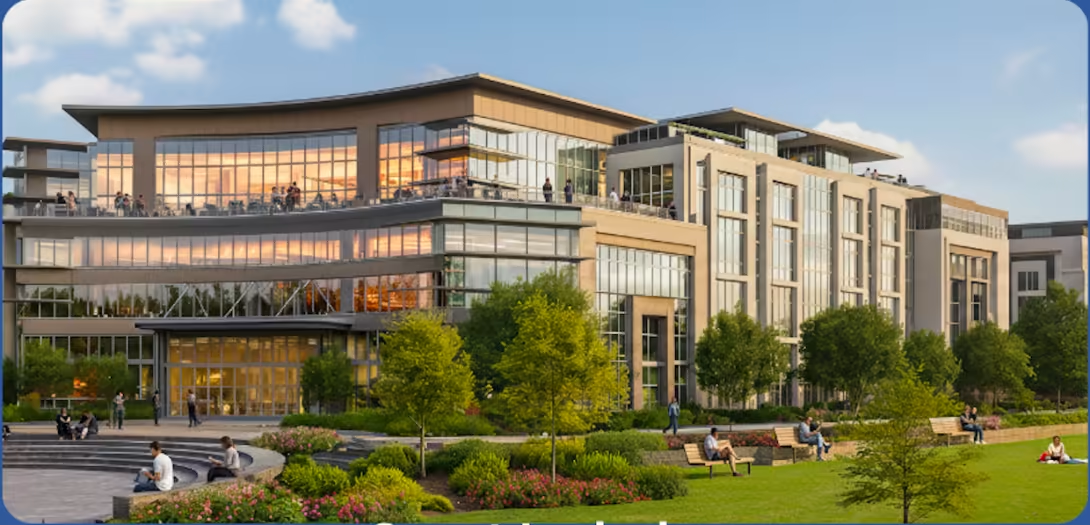
A new proposal to build a casino within Reservation 13 has reignited discussions over how best to utilize one of the region’s most strategically positioned redevelopment zones. The plan aims to transform the underused land into a major entertainment and economic hub, promising job creation, infrastructure upgrades, and increased revenue for the local government. Supporters view the casino as a catalyst for long-term growth, while critics warn about social risks, community disruption, and potential misalignment with existing development goals. As the proposal gains momentum, stakeholders are evaluating its financial implications, regulatory hurdles, and impact on surrounding neighborhoods.
A High-Stakes Vision for Urban Redevelopment
Reservation 13 has long been at the center of competing development ambitions due to its proximity to key transport corridors and growing residential districts. The latest proposal introduces a bold concept: a full-scale casino resort integrating gaming floors, hospitality spaces, restaurants, and entertainment venues. According to preliminary projections, the project could attract substantial private investment and elevate the site into a prime leisure destination.
The renewed focus reflects policymakers’ interest in tapping into the economic potential of gaming complexes, which often serve as multipliers for tourism and ancillary business activity.
Projected Economic Impact and Revenue Potential
Proponents argue that a casino could generate significant fiscal benefits, including a steady stream of tax revenue that may support public services and future infrastructure projects. Large-scale gaming facilities typically create thousands of direct and indirect jobs, ranging from hospitality and security positions to administrative and management roles.
In addition, local businesses—particularly restaurants, shops, and transportation providers—often benefit from improved footfall. If approved, the casino could position Reservation 13 as a competitive entertainment zone capable of drawing visitors from across the region.
Community Concerns and Regulatory Challenges
Despite the potential economic upside, the proposal faces notable resistance. Community leaders and advocacy groups have raised concerns about increased traffic, noise, and potential social issues that often accompany casino operations. Questions regarding zoning compatibility, long-term urban planning goals, and public safety remain central to the debate.
Moreover, regulatory approval for gaming establishments typically involves stringent vetting, environmental assessments, and alignment with statewide gambling policies. Navigating these requirements will be critical for the project’s viability.
Balancing Development With Neighborhood Priorities
Reservation 13’s redevelopment has historically centered on mixed-use housing, public amenities, and community-focused services. Introducing a casino shifts the narrative toward entertainment-led growth, prompting discussions about whether such a project aligns with residents’ long-term expectations.
Urban planners emphasize the importance of integrating any major development with sustainable mobility solutions, green spaces, and equitable access to city services. Ensuring that the casino complements—rather than overshadows—neighborhood priorities will be essential for gaining broader support.
The Road Ahead
The casino proposal marks a pivotal moment in shaping the future of Reservation 13. Over the coming months, public hearings, feasibility studies, and impact assessments will help determine whether the plan aligns with economic needs and community interests. Regardless of the outcome, the debate underscores ongoing tensions between growth ambitions and responsible urban development.
Comments