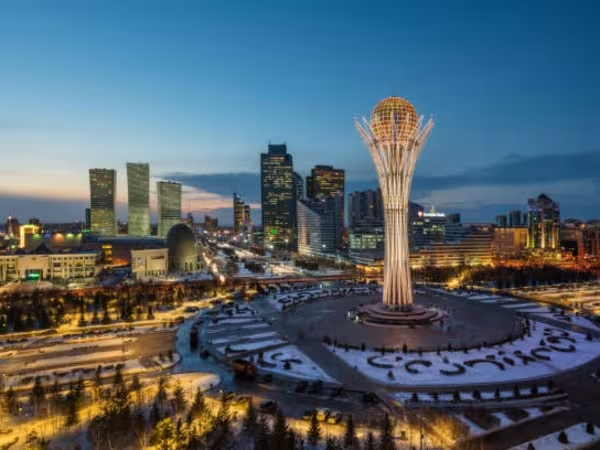
Kazakhstan is moving to significantly expand its regulated casino zones as part of a broader strategy to attract foreign tourists and diversify national revenue streams. Authorities plan to designate new gaming areas while modernizing existing entertainment hubs, aiming to position the country as a competitive destination in the regional leisure and hospitality market. The initiative is expected to stimulate foreign investment, create employment opportunities, and strengthen tourism-related infrastructure. Policymakers view the expansion as a calculated economic measure, balancing regulatory oversight with commercial opportunity, as Kazakhstan seeks to reduce reliance on traditional industries and unlock new growth avenues in the services sector.
Strategic Expansion of Gaming Zones
Kazakhstan’s government has announced plans to widen the scope of its legalized gambling industry by introducing additional casino-designated areas. These zones will operate under strict regulatory frameworks intended to ensure compliance, transparency, and responsible gaming practices. The move signals a clear intent to develop the country’s entertainment economy while maintaining centralized control over gaming activities.
Officials believe the expansion will help distribute tourism flows beyond existing casino hubs, encouraging regional development and reducing congestion in current hotspots. Infrastructure upgrades, including transport links and hospitality facilities, are expected to accompany the rollout of the new zones.
Economic Diversification and Investment Appeal
The casino zone expansion aligns with Kazakhstan’s broader economic diversification agenda. Historically reliant on natural resources, the country has been actively seeking to grow its services sector, including tourism, hospitality, and entertainment.
By enlarging the legal gambling footprint, Kazakhstan aims to draw international investors interested in integrated resort developments. Such projects typically combine gaming floors with hotels, retail complexes, dining venues, and conference facilities. This model not only generates direct gaming revenue but also drives spending across multiple segments of the local economy.
Industry analysts note that regulated casino markets often produce substantial tax income, licensing fees, and employment gains, making them attractive for governments seeking non-traditional fiscal streams.
Focus on Foreign Tourists
A central objective of the policy is to increase foreign visitor numbers. Kazakhstan’s geographic position between Europe and Asia provides a strategic advantage, allowing it to target tourists from multiple high-spending regions.
Authorities are expected to promote the new casino zones as part of broader travel campaigns that highlight cultural attractions, natural landscapes, and modern urban centers. By integrating gaming with tourism experiences, policymakers hope to lengthen visitor stays and increase per-capita spending.
This approach mirrors successful models in other jurisdictions where destination resorts serve as anchors for broader tourism ecosystems.
Regulatory Oversight and Risk Management
While expanding opportunities, the government is also emphasizing tighter regulatory supervision. Licensing requirements, operational audits, and anti-money laundering controls are expected to form the backbone of the updated framework. These safeguards aim to preserve market integrity and maintain Kazakhstan’s reputation among international investors.
Social responsibility measures, including responsible gambling initiatives and age restrictions, are likely to remain central components of the policy structure. Officials have stressed that growth in the sector must be balanced with protections for local communities.
Long-Term Outlook
If executed effectively, Kazakhstan’s casino zone expansion could mark a turning point in the nation’s tourism and entertainment trajectory. The initiative reflects a pragmatic effort to harness global leisure trends while strengthening domestic economic resilience.
The success of the strategy will depend on sustained regulatory discipline, investor confidence, and the country’s ability to market itself as a secure and attractive destination. As competition for tourism revenue intensifies worldwide, Kazakhstan is positioning itself to claim a larger share of the international gaming and hospitality market.
Comments