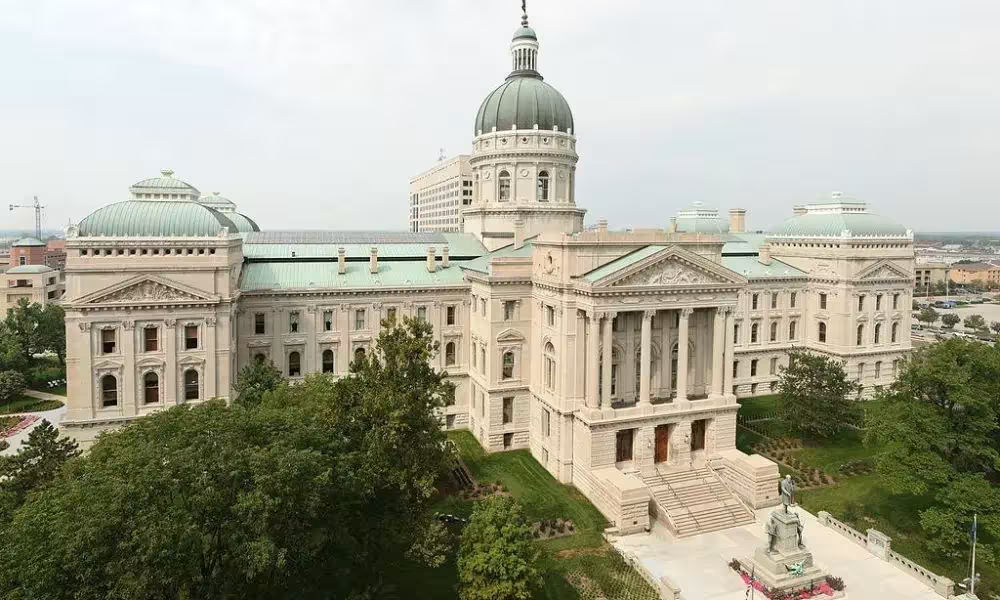
The Indiana House of Representatives has cleared a significant legislative hurdle by passing a casino expansion bill for the state’s northeast region during its second hearing, incorporating an amendment that refines regulatory and operational provisions. Proponents argue the measure will stimulate local economic development, create jobs, and enhance tourism by expanding legal gaming opportunities in underserved areas. The amendment — designed to address concerns about revenue allocations and oversight — garnered bipartisan support while ensuring tighter governance frameworks. As the bill moves toward further legislative scrutiny, analysts are evaluating its potential fiscal impact and the broader implications for Indiana’s gaming industry and regional economies.
Legislative Momentum Builds for Regional Gaming Expansion
The Indiana House has advanced a casino expansion bill tailored to the northeast region by passing it through a second reading with a notable amendment. The move reflects growing legislative consensus around leveraging legalized gaming as an engine for regional development, particularly in areas that have historically lacked access to commercial casino facilities.
The House vote marks a critical step in the bill’s legislative journey, signaling both political will and emerging policy alignment on rural economic stimulation through targeted entertainment investments.
Amendment Refines Governance and Revenue Distribution
A central feature of the bill’s progression was the adoption of an amendment aimed at refining key aspects of regulation and revenue distribution. Lawmakers supporting the change stressed the importance of transparent oversight mechanisms and equitable allocation of gaming proceeds.
The amendment delineates how incremental tax revenue derived from the new casino operations will be apportioned, with specific provisions earmarking funds for infrastructure improvements, workforce development programs, and local community projects. These adjustments were instrumental in securing broader legislative support.
Economic Rationale and Regional Benefits
Supporters of the casino expansion bill emphasise its potential to deliver measurable economic benefits for Northeast Indiana. By authorising new commercial gaming venues, the state aims to attract tourism, diversify local revenue streams, and generate employment opportunities ranging from construction and hospitality to permanent operational roles.
Economic modelling conducted by independent analysts suggests that regional casinos could significantly enhance local gross domestic product (GDP) components tied to leisure and hospitality sectors, while also creating spin-off effects for ancillary businesses such as retail, dining, and transportation services.
Addressing Social and Regulatory Considerations
While economic proponents focus on growth prospects, the bill’s amendment also introduces enhanced regulatory guardrails to mitigate social risks associated with expanded gambling access. These include strengthened protocols on problem-gambling prevention, mandatory reporting standards, and compliance requirements for licencees.
Public officials underscored the need to embed responsible gaming frameworks as part of the legislative package, recognising both community concerns and state obligations to balance economic development with social welfare protections.
Bipartisan Support and Legislative Trajectory
The amended bill’s passage through its second House hearing was marked by bipartisan engagement, with members across the political spectrum acknowledging the strategic value of gaming expansion for underserved regions. Detractors voiced concerns about potential social impacts and market saturation, but the amendment’s governance provisions helped bridge differences.
The measure now advances to subsequent committee deliberations and eventual floor consideration, where further refinements and fiscal analyses are anticipated.
Implications for Indiana’s Gaming Landscape
If ultimately enacted, the bill would represent a notable shift in Indiana’s gaming policy, extending the footprint of legal casinos beyond traditional urban and central locations. This approach aligns with broader national trends in which states strategically use regulated gaming to catalyse regional development.
Financial analysts observe that expanded gaming access, coupled with robust oversight and revenue planning, can enhance state budgets without disproportionately burdening existing taxpayers. However, careful implementation and ongoing monitoring will be key to realising the bill’s intended outcomes.
Looking Ahead
As the casino expansion bill proceeds through the legislative process, stakeholders — from municipal leaders to industry participants — are closely tracking its evolution. The House’s decision to pass the measure with an amendment suggests a deliberate balance between economic ambition and regulatory prudence.
The coming debates and fiscal discussions will determine the final shape of the policy, but for now, Northeast Indiana stands poised to potentially benefit from an expanded gaming economy that reflects both community aspirations and sound legislative design.
Comments